
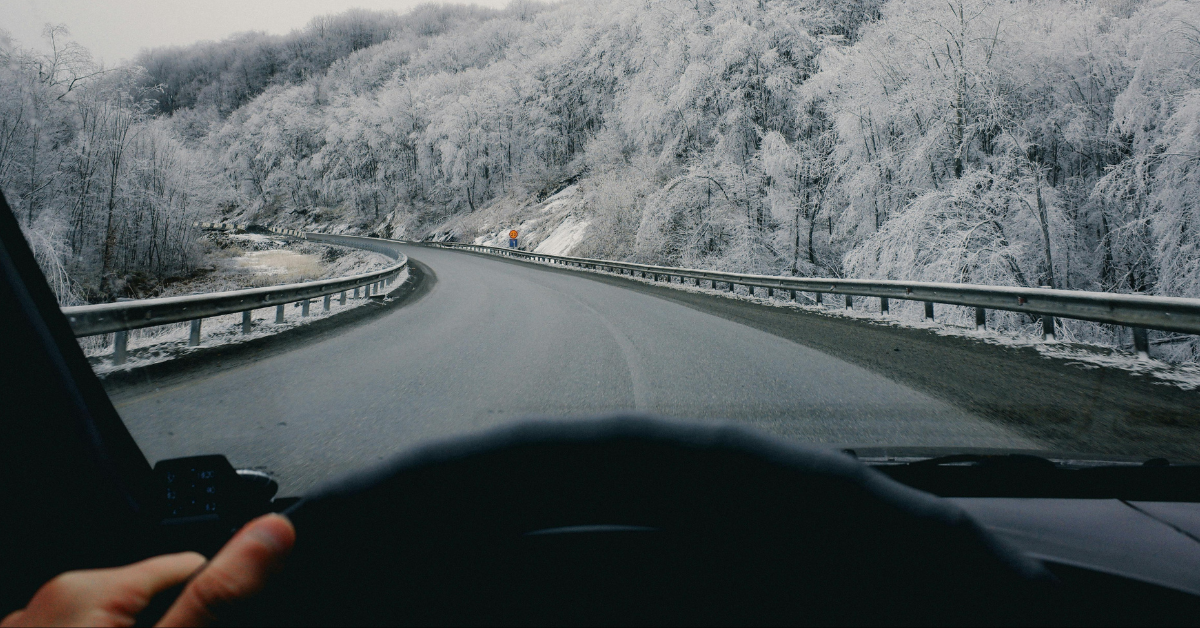
The colder months present a unique set of challenges for professional drivers, especially those operating HGV’s (Heavy Good’s Vehicles). At Turbo Driving, we understand the dedication it takes to keep the country moving, even when the weather may be against you. Preparing your truck and yourself for winter HGV driving isn’t just about comfort, it’s about road safety, efficiency and success. From icy roads to reduced daylight hours, understanding the necessary precautions is vital for a smooth and secure journey. This guide offers practical advice to help you navigate the season confidently and keep you and your cargo safe on the road.
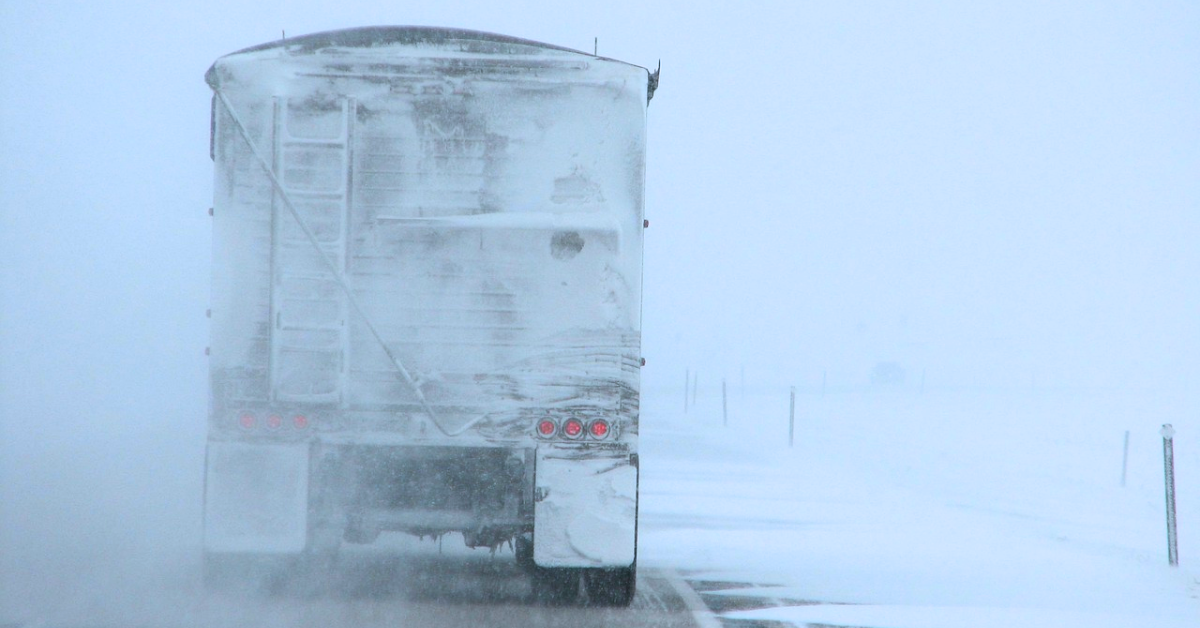
Mastering Winter HGV Driving Preparation
The key to safe winter driving begins before you even turn the ignition. Proactive maintenance and careful checks are non-negotiable when dealing with harsh conditions.
Vehicle Readiness & Checks:
- Tyres: Check for adequate tread depth (legally 1.6mm, but more is safer in winter) and correct pressure.
- Visibility: Ensure all lights are clean and fully operational. Crucially, check your wipers, mirrors and windscreen for cleanliness and clarity, and top up washer fluid with a high strength anti-freeze mix.
- Battery & Fluids: Cold weather stresses the battery, so check its condition. Also, monitor coolant and diesel levels, as unexpected delays can leave you idling for longer than planned.
Essential Equipment for Delays:
- Always carry a winter kit when possible. This is especially vital for HGV drivers who may face long delays or overnight stops in remote areas. Your kit can include:
- Warm clothing, a hat, and gloves
- A warm blanket
- Sufficient food and water, plus a hot drink in a flask
- De-icer, a scraper, and a shovel
- A torch with spare batteries
- A fully charged mobile phone, charger, and list of emergency contacts
- A first aid kit, high-visibility jacket, and hazard triangle
Driving Techniques for Icy and Snowy Roads
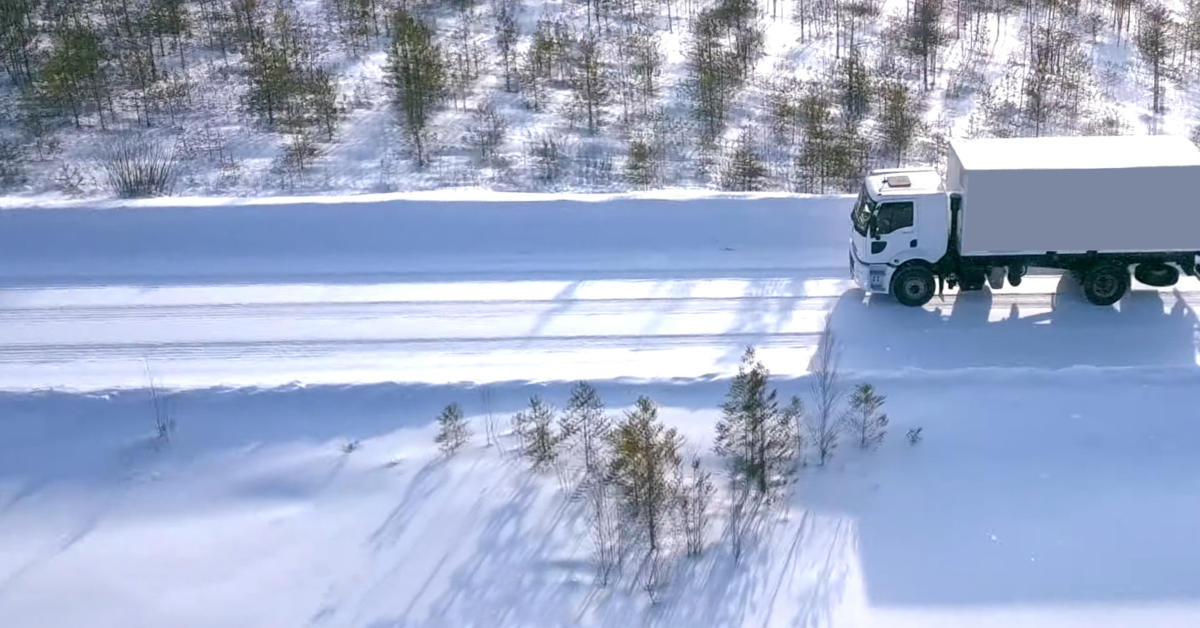
Handling a fully loaded HGV requires skill and caution in ideal conditions, this is magnified when the roads are slick. Be aware that HGVs are also particularly vulnerable to strong crosswinds on exposed roads.
The most critical safety adjustment is increasing your stopping distance, you may need up to ten times the normal stopping distance on snow or ice compared to dry conditions, so give yourself a bigger buffer to prevent being forced into sudden manoeuvres. To maintain control, focus on smooth movements, avoiding sudden steering, braking, or acceleration, and use gentle, progressive inputs, often by starting in a higher gear than usual to minimise possible wheel spin. Always remain vigilant for black ice, an invisible hazard that frequently forms on bridges and in shaded areas. If you do hit a patch, stay calm, avoid sudden movements, and gently ease off the accelerator. Finally, be proactive in route planning and prioritise main, gritted roads, avoid steep inclines, and always check for weather warnings for your journey before setting off.
Looking After Yourself
Being prepared physically and mentally is just as important as preparing the vehicle. When you are outside the cab for checks or refuelling, always take care when walking, moving slowly and steadily, as black ice and wet surfaces can cause dangerous slips. Most importantly, know when to stop, if conditions deteriorate to the point where driving becomes unsafe, contact your employer. While rules may allow you to drive slightly longer to reach a safe rest spot, never compromise your safety or violate your legal rest hours, and always prioritise staying warm, dry, and safe, especially in the colder weather.
Join Turbo Today
Contact the team or connect with me directly on LinkedIn or email.